Golf tools · Shaft flex
Golf shaft flex chart: find your flex, weight and kick point
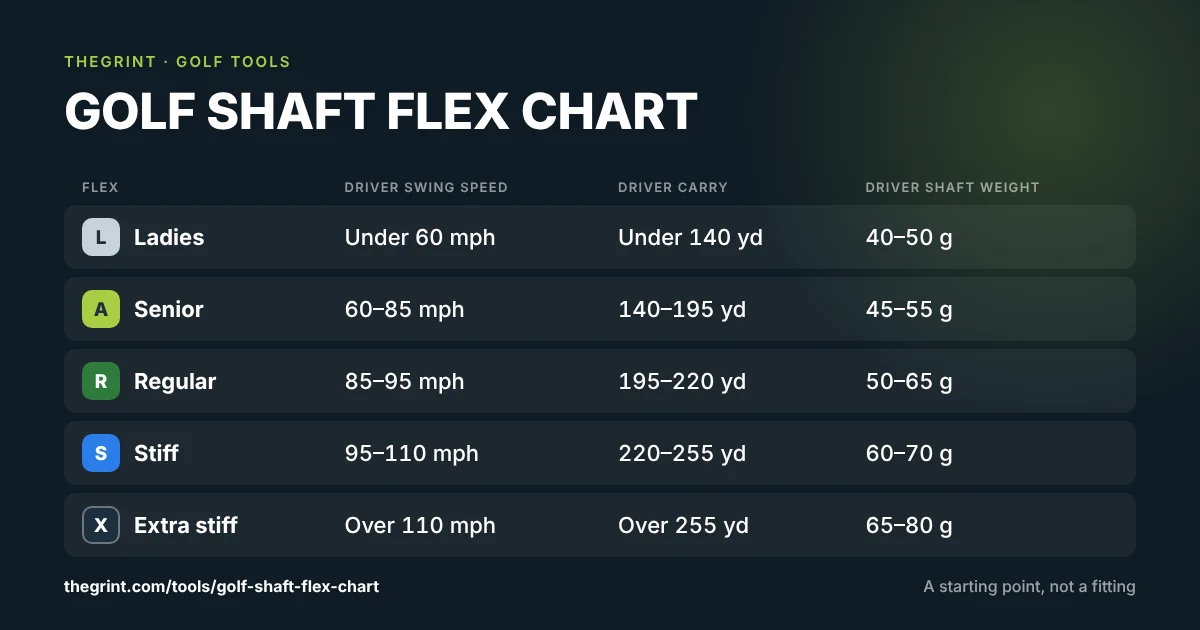
Shaft flex follows your driver swing speed: under 60 mph usually suits ladies (L) flex, 60 to 85 mph senior (A), 85 to 95 mph regular (R), 95 to 110 mph stiff (S) and over 110 mph extra stiff (X). Tempo, shaft weight and kick point fine-tune it: a quick, aggressive swing often fits one step firmer.
Updated November 2026 · Rules of thumb from published flex charts
Shaft finder
What shaft do I need?
Enter your driver swing speed or driver carry, then your tempo and ball flight. You'll get an estimated flex to start from.
Chart
Driver shaft flex chart by swing speed
Find your row by driver swing speed or driver carry. Your irons usually take the same flex. Carry assumes an average strike.
| Flex | Driver swing speed | Driver carry | Driver shaft weight |
|---|---|---|---|
| Ladies (L) | Under 60 mph | Under 140 yd | 40–50 g |
| Senior (A) | 60–85 mph | 140–195 yd | 45–55 g |
| Regular (R) | 85–95 mph | 195–220 yd | 50–65 g |
| Stiff (S) | 95–110 mph | 220–255 yd | 60–70 g |
| Extra stiff (X) | Over 110 mph | Over 255 yd | 65–80 g |
Flex bands match the swing speed chart. Carry uses the same model as the club distance chart. Some brands also sell a stiffer "tour" or softer "light" version of each flex.
Flex labels
Shaft flex letters explained
Makers label the same flexes in different ways. These are the common names, softest to stiffest.
| Flex | Also labeled | Driver swing speed |
|---|---|---|
| Ladies | L, W (women's) | Under 60 mph |
| Senior | A, M, Lite, Senior, R2 | 60–85 mph |
| Regular | R, R1 | 85–95 mph |
| Firm | F, R+ (between regular and stiff, on some shafts) | About 93–100 mph |
| Stiff | S | 95–110 mph |
| Extra stiff | X, XS, TX, Tour X | Over 110 mph |
Some makers use numbers instead of letters, so check that maker's own chart. The letters aren't standardized: one brand's regular can play like another's stiff.
Shaft weight
Golf shaft weight chart
Lighter shafts are easier to swing fast. Heavier shafts add control for faster, more aggressive swings. Weight usually goes up as clubs get shorter.
| Club | Graphite | Steel |
|---|---|---|
| Driver | 40–75 g | Rare |
| Fairway woods | 50–80 g | Rare |
| Hybrids | 55–90 g | Some models |
| Irons | 50–95 g | 90–130 g |
| Wedges | 60–100 g | 105–130 g |
Typical ranges across major shaft makers. Your fairway woods usually play about 10 g heavier than your driver shaft.
How shafts work
Flex, weight and kick point explained
- Flex is how much the shaft bends during the swing. Too stiff tends to launch the ball lower with less feel; too soft tends to launch higher and spray it.
- Weight changes how fast and how smoothly you can swing. Too light can feel loose and inconsistent; too heavy tires you out and costs speed.
- Kick point (bend point) is where the shaft bends most. A low kick point launches the ball higher, a high kick point lower, and a mid kick point sits in between.
- Tempo matters as much as speed. A quick, aggressive transition loads the shaft harder, so it often fits one step firmer than speed alone suggests. A smooth swing can often play one step softer.
- Torque is how much the shaft twists. Lower torque feels firmer and suits faster swings; higher torque feels softer.
Regular vs stiff
Regular vs stiff flex: which do you need?
The line between them is about 95 mph of driver swing speed, or about 220 yards of driver carry. Near the line, your tempo and ball flight decide it.
- Signs your shaft is too stiff: low launch, shots that leak right (for a right-handed golfer) and a dead, boardy feel.
- Signs your shaft is too soft: shots that balloon, a lot of hooks or a wide spread of misses, and a whippy feel.
- Most amateurs who are unsure do better erring softer. Speed and launch help more than a stiffer shaft.
Senior flex
Who should use senior flex (A)?
Senior flex, also called A or amateur flex, fits driver swing speeds from about 60 to 85 mph, whatever your age. It's softer and usually lighter than regular, which helps slower swings launch the ball higher and carry it farther.
Graphite vs steel
Graphite vs steel shafts
- Graphite is lighter and absorbs more vibration. Almost every driver, fairway wood and hybrid uses it, and it's the usual choice in irons for slower swings, seniors and golfers with joint pain.
- Steel is heavier and more consistent from shot to shot. Most golfers with a regular-flex speed or faster play steel in their irons and wedges.
- Light steel (about 90 to 105 g) and heavier graphite (80 to 95 g) overlap, so the line between them is closer than it used to be.
Sources
How we got these numbers
A starting point, not a fitting. These are rules of thumb. Flex isn't standardized between brands, and launch, spin and feel depend on your swing. A club fitter with a launch monitor can test shafts for you.
Flex bands are a consensus of published flex charts and match our swing speed chart. Carry distances use the same model as the club distance chart. Weight and kick point ranges are typical values across major shaft makers. Last checked November 13, 2026.
Now find your real numbers.
Track your shots in TheGrint to see how far you really hit every club.
FAQ
Shaft flex questions
What shaft flex do I need?
Go by driver swing speed: under 60 mph ladies (L), 60 to 85 mph senior (A), 85 to 95 mph regular (R), 95 to 110 mph stiff (S) and over 110 mph extra stiff (X). A quick tempo often fits one step firmer.
What is the difference between regular and stiff flex?
Stiff flex bends less, so it suits faster swings, usually 95 to 110 mph with a driver. Regular flex suits about 85 to 95 mph. A shaft that's too stiff tends to launch low and leak right; one that's too soft tends to balloon and hook.
What is senior flex?
Senior flex, also called A or amateur flex, is softer and usually lighter than regular. It fits driver swing speeds from about 60 to 85 mph, whatever your age.
Does shaft weight matter?
Yes. Lighter shafts are easier to swing fast, and heavier shafts add control for faster, more aggressive swings. Most amateur driver shafts weigh 50 to 70 g; steel iron shafts weigh about 90 to 130 g.
What does kick point do?
Kick point is where the shaft bends most. A low kick point launches the ball higher, a high kick point launches it lower, and a mid kick point sits in between.
When should I switch from stiff to regular flex?
When your driver swing speed drops below about 95 mph, or when you see the signs of a shaft that's too stiff: low launch, shots that leak right (for a right-handed golfer) and a dead feel. Many golfers switch as they lose speed over time. Test both on a launch monitor if you can.
What flex should my irons be?
Usually the same flex as your driver. Some golfers play one step softer in their irons for a higher ball flight. Go by driver speed rather than 7-iron distance, because 7-iron lofts vary a lot between sets.
Should I use graphite or steel shafts?
Almost every driver, fairway wood and hybrid uses graphite. In irons, graphite suits slower swings, seniors and golfers with joint pain, while most golfers with a regular-flex speed or faster play steel.
More club guides
Keep going
Track it in TheGrint
See how far you really hit every club
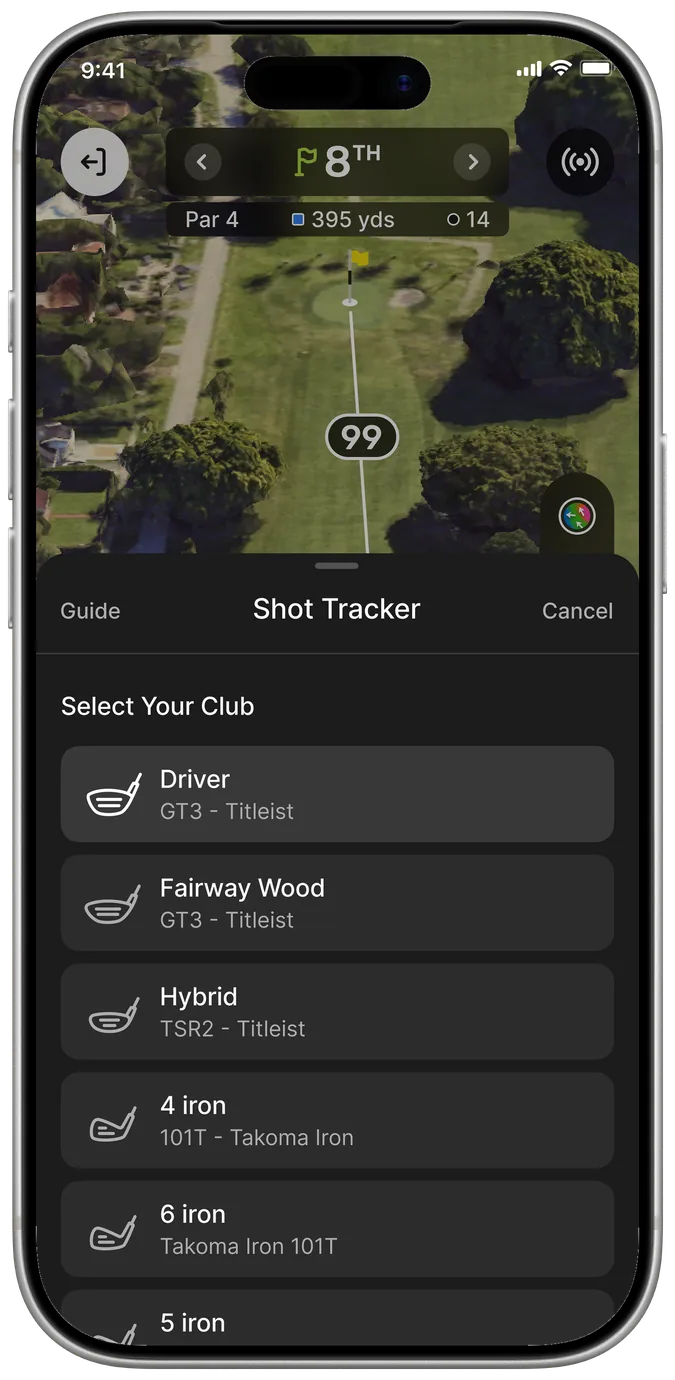
- Pick the club you're hitting
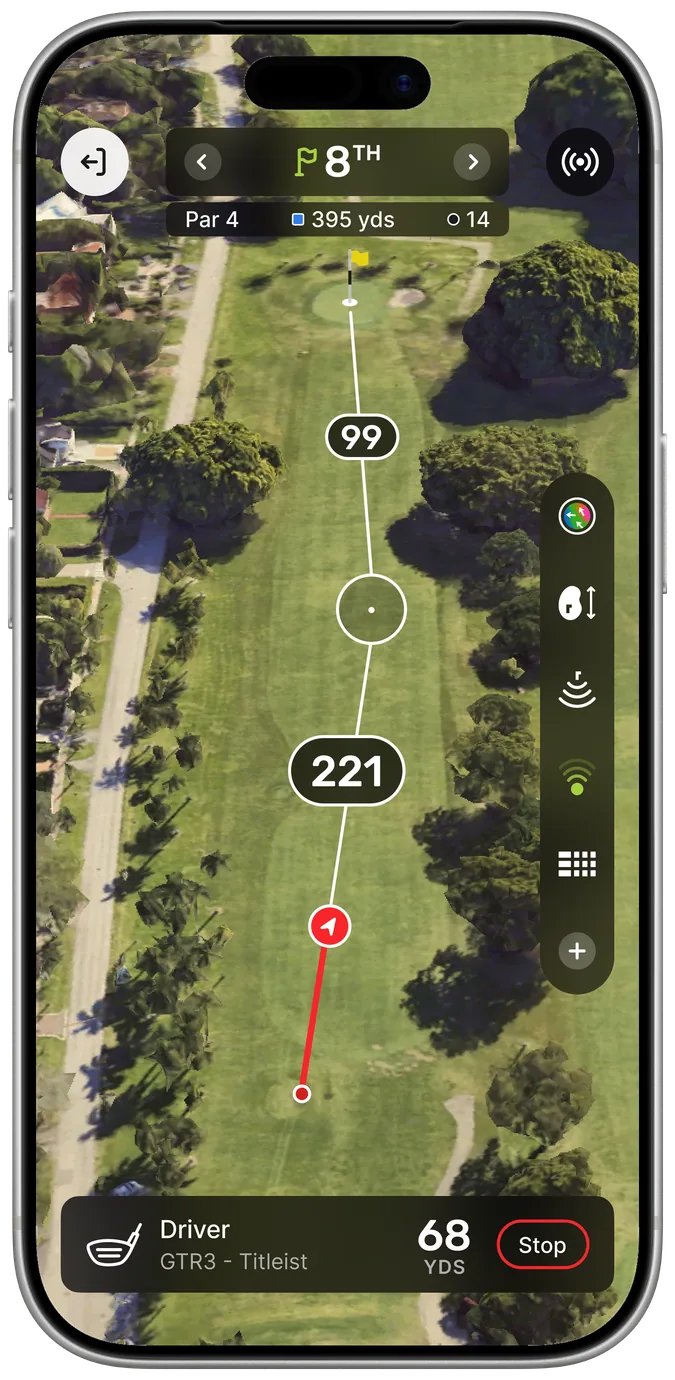
- Hit, then walk to your ball
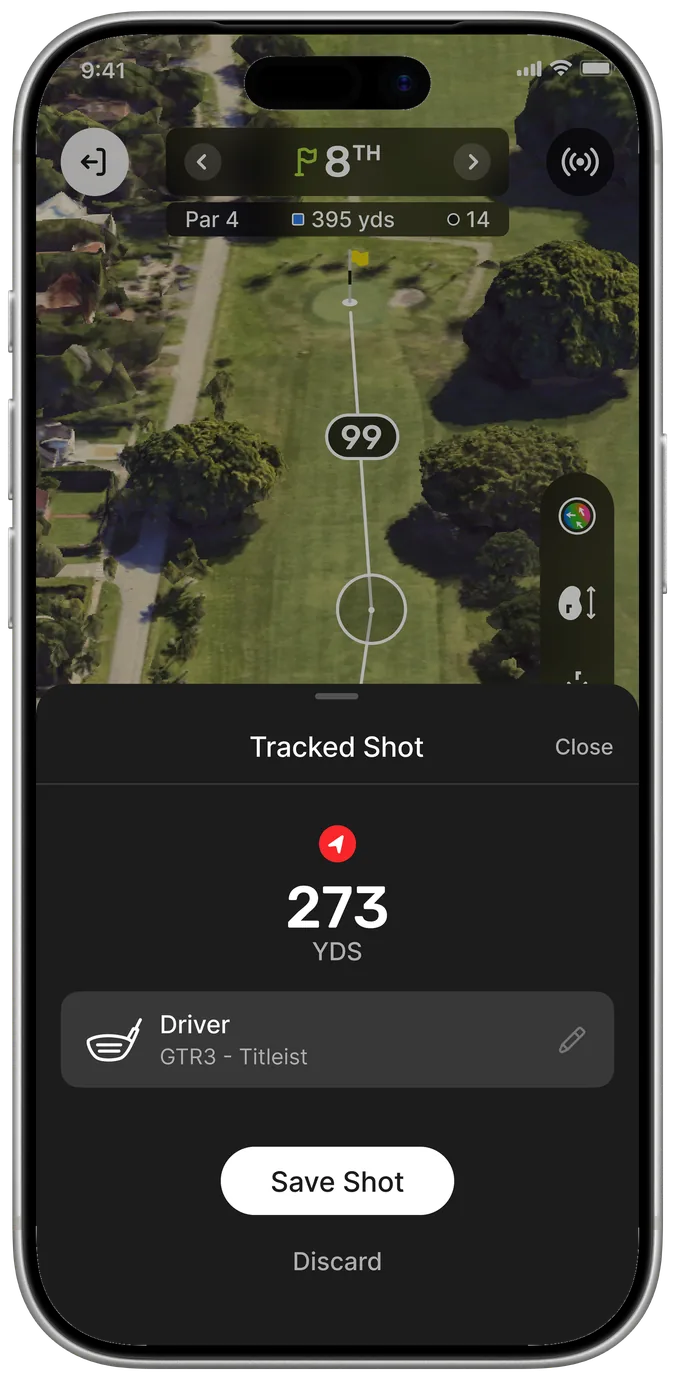
- Tap stop to save the shot
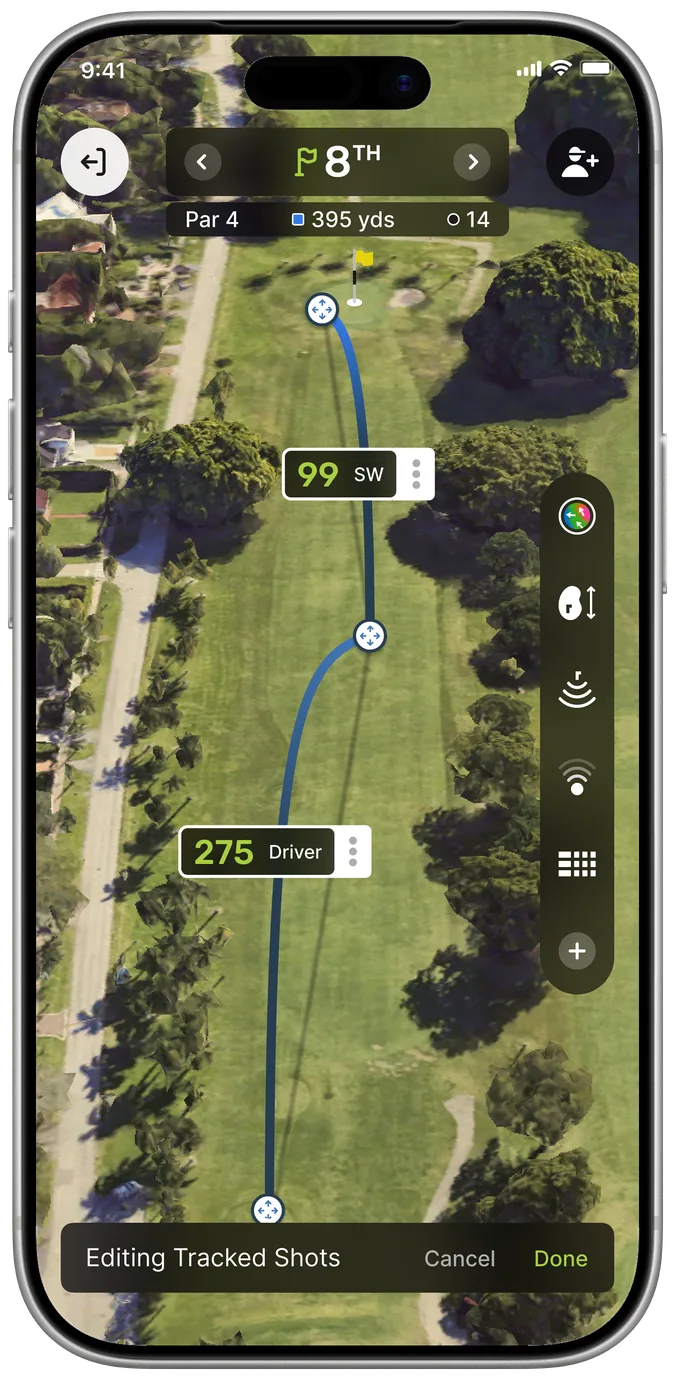
- See every shot and distance on the map


Club-by-club distance stats are a Pro feature. Try TheGrint Pro free for 7 days.