Golf tools · Wedge bounce
Wedge bounce explained: what it is and how much you need
Bounce is the angle between the ground and the sole of a wedge, from the leading edge to the lowest point of the sole. It stops the club from digging. Low bounce (4° to 6°) suits firm turf and shallow swings, mid bounce (7° to 10°) suits most golfers, and high bounce (over 10°) suits soft turf, fluffy sand and steep swings.
Updated November 2026 · Rules of thumb from published wedge guides
See it
What is bounce on a wedge?
Bounce is the angle that lifts the leading edge off the ground when the sole rests on it. More bounce means the back of the sole hits the turf first, so the club skids through instead of digging. Move the slider, pick the turf and your swing, then hit the shot.
Bounce finder
What bounce do I need?
Pick the wedge, your course and how you swing. You'll get a starting bounce range to look for.
In TheGrint
Find out if your wedges are saving you shots
Bounce helps on paper. Your stats show whether it's working on the course. Track your rounds in TheGrint and see where your short game wins and loses strokes.
- How often you save par after missing the green
- Your save % from greenside bunkers
- How your saves compare with golfers at your handicap
Chart
Wedge bounce chart
Bounce falls into three groups. Match the group to your turf, your sand and how steep you swing.
| Bounce | Degrees | Turf | Bunkers | Swing |
|---|---|---|---|---|
| Low | 4°–6° | Firm, tight lies | Firm or coarse sand | Shallow, sweeps the ball |
| Mid | 7°–10° | Normal to firm | Most sand | Neutral |
| High | Over 10° | Soft, lush | Soft, fluffy sand | Steep, deep divots |
Ranges follow the most common published groupings. Each maker draws the lines a little differently.
By wedge
Best bounce for a 56, 58 and 60 degree wedge
Most golfers carry more bounce on the sand wedge than on the lob wedge. A common setup:
| Wedge | Loft | Common bounce | Why |
|---|---|---|---|
| Gap wedge | 50°–52° | 8°–10° (mid) | Used mostly for full shots, so it needs to stay versatile. |
| Sand wedge | 54°–56° | 10°–14° (high) | Extra bounce helps it glide through greenside sand. |
| Lob wedge | 58°–60° | 4°–10° (low to mid) | Less bounce lets you open the face and slide under the ball on tight lies. |
- 56° wedge: 10° to 14° suits most golfers and most bunkers. Go lower only if your sand is firm and your swing is shallow.
- 58° wedge: 8° to 12° is the all-round choice. It works for golfers who carry it as both a sand and a lob wedge.
- 60° wedge: 4° to 8° for firm courses and players who open the face; 10° and up if your course is soft.
Grind
What is a wedge grind?
A grind is material shaped off the sole, usually at the heel, toe or trailing edge. Bounce sets how much the sole resists digging; the grind sets how the sole sits when you open the face.
- Full sole: the most forgiving. Best for square-faced shots and steep swings.
- Heel relief: the heel is ground away, so the leading edge stays low when you open the face for flop and bunker shots.
- Wide sole: more surface on the ground acts like extra bounce, which helps in soft sand and for golfers who dig.
Opening the face adds bounce, because it tilts the sole back further. That's why a lob wedge with low bounce can still play well from sand when you open it.
Signs
Do you need more or less bounce?
- Signs you need more bounce: deep divots, chunked chips, and a club that buries in the sand instead of splashing out.
- Signs you need less bounce: thin and bladed chips, a club that skips off firm ground into the middle of the ball, and trouble opening the face on tight lies.
- Most amateurs do better with a bit more bounce than they think. It forgives a strike that's slightly behind the ball.
Sources
How we got these numbers
A guide, not a fitting. These are rules of thumb. Each maker measures and labels bounce a little differently, and the right wedge depends on your swing and your course. A club fitter can help you test wedges on real turf and sand.
Bounce ranges follow the published low, mid and high groupings below. Loft ranges match our wedge lofts chart. Last checked November 13, 2026.
Know your bounce. Now see your short game.
Track your rounds in TheGrint to see how often you get up and down.
FAQ
Wedge bounce questions
What is bounce on a wedge?
Bounce is the angle between the ground and the sole of a wedge, measured from the leading edge to the lowest point of the sole. It keeps the leading edge from digging into turf and sand.
What does bounce do on a wedge?
Bounce lets the back of the sole hit the ground first, so the club skids through the turf or sand instead of digging. More bounce resists digging more; less bounce lets the leading edge sit lower for tight lies.
What is low, mid and high bounce?
Low bounce is about 4° to 6°, mid bounce is about 7° to 10° and high bounce is over 10°. Low suits firm turf and shallow swings, mid suits most golfers, and high suits soft turf, fluffy sand and steep swings.
What bounce should my sand wedge have?
Most sand wedges have 10° to 14° of bounce, which helps the club glide through soft greenside sand. Go lower only if your bunkers have firm or coarse sand and your swing is shallow.
What is the best bounce for a 60 degree wedge?
For firm courses and golfers who open the face, 4° to 8° is common. If your course is soft or you take deep divots, look for 10° or more.
What wedge bounce is best for a high handicapper?
Mid to high bounce usually helps, because it forgives strikes that land slightly behind the ball. A sand wedge with 10° to 14° of bounce is a good place to start.
What is a wedge grind?
A grind is material shaped off the sole, usually at the heel, toe or trailing edge. It changes how the sole sits on the ground, especially when you open the face.
Does opening the face add bounce?
Yes. Opening the face tilts the sole back further, which raises the leading edge and adds effective bounce. That's why open-faced bunker shots splash out instead of digging.
More club guides
Keep going
Track it in TheGrint
See how far you really hit every club
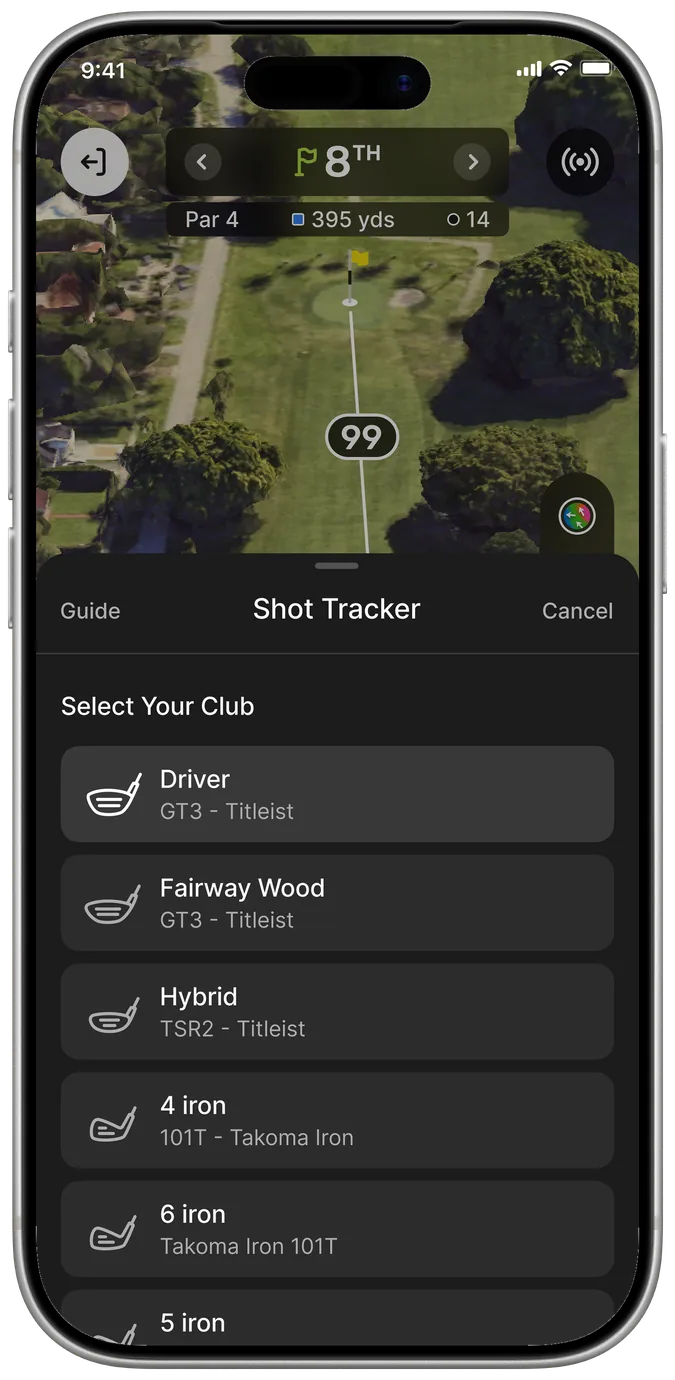
- Pick the club you're hitting
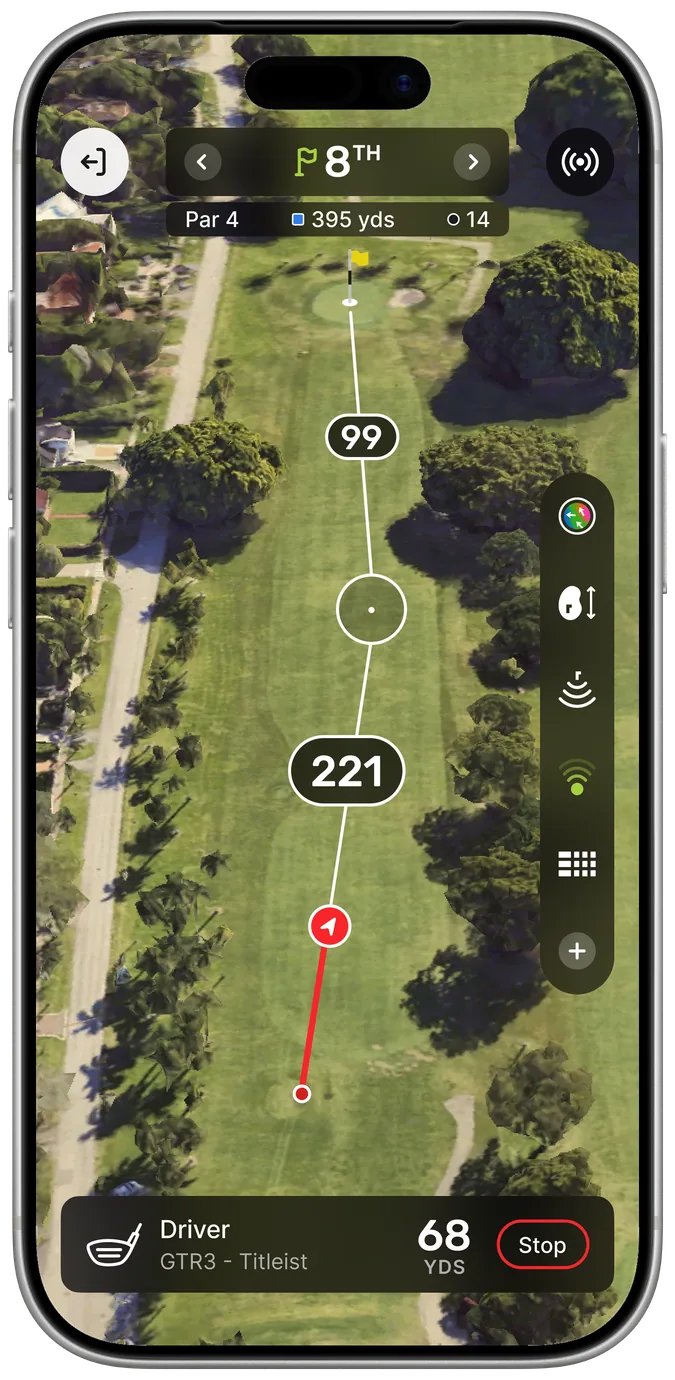
- Hit, then walk to your ball
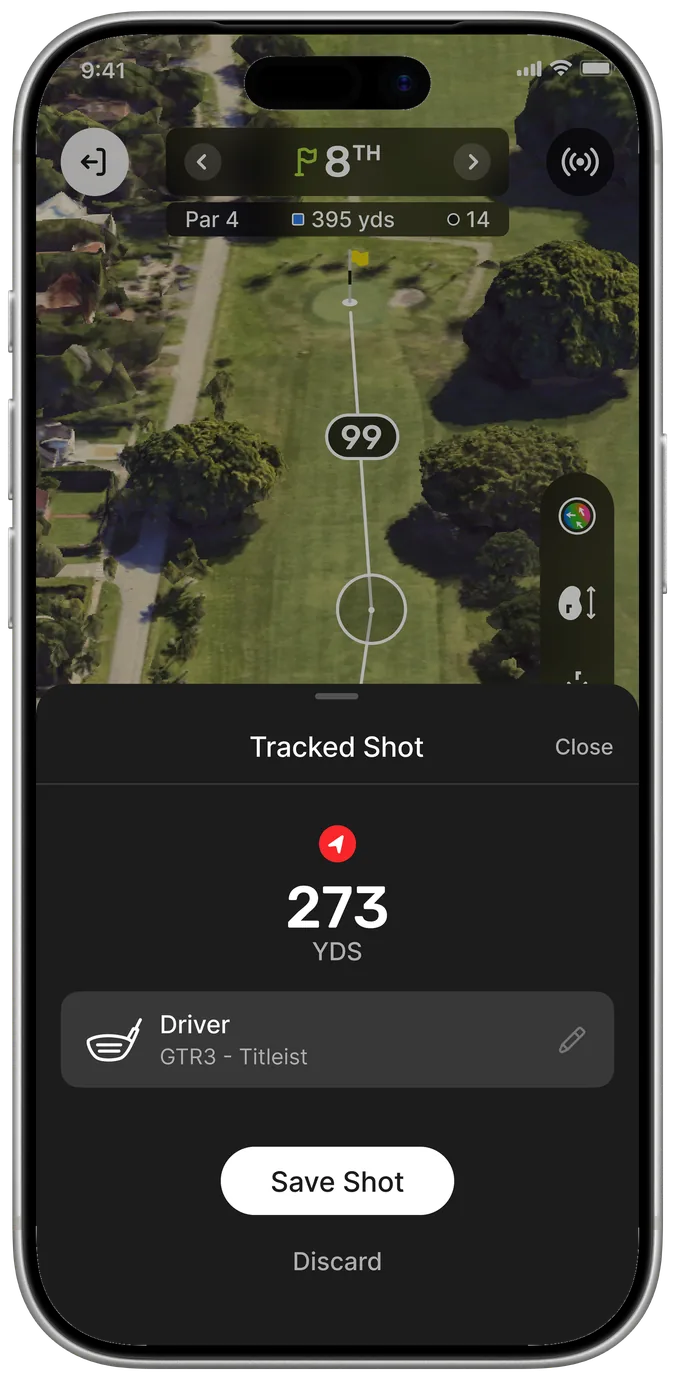
- Tap stop to save the shot
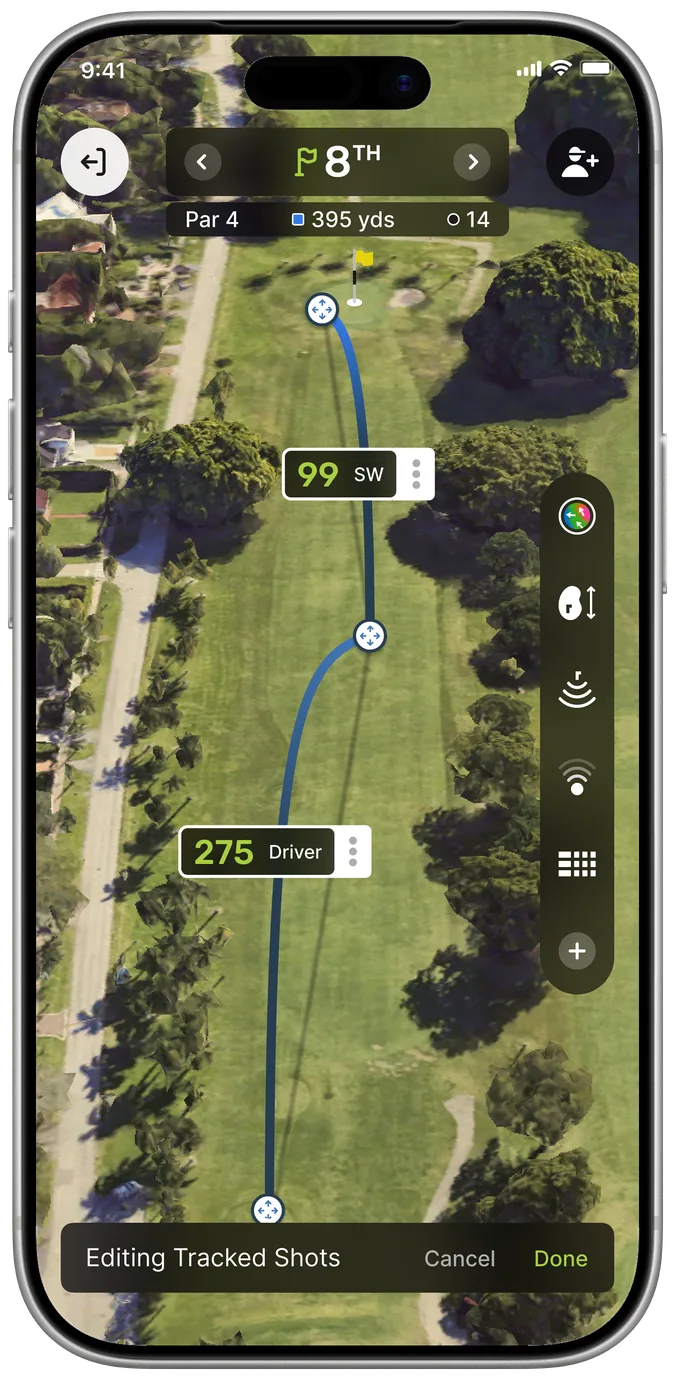
- See every shot and distance on the map


Club-by-club distance stats are a Pro feature. Try TheGrint Pro free for 7 days.